Migrations, Nature’s Wisdom, Seasonal Rhythms

A Season of Transitions

On Molting & Renewal

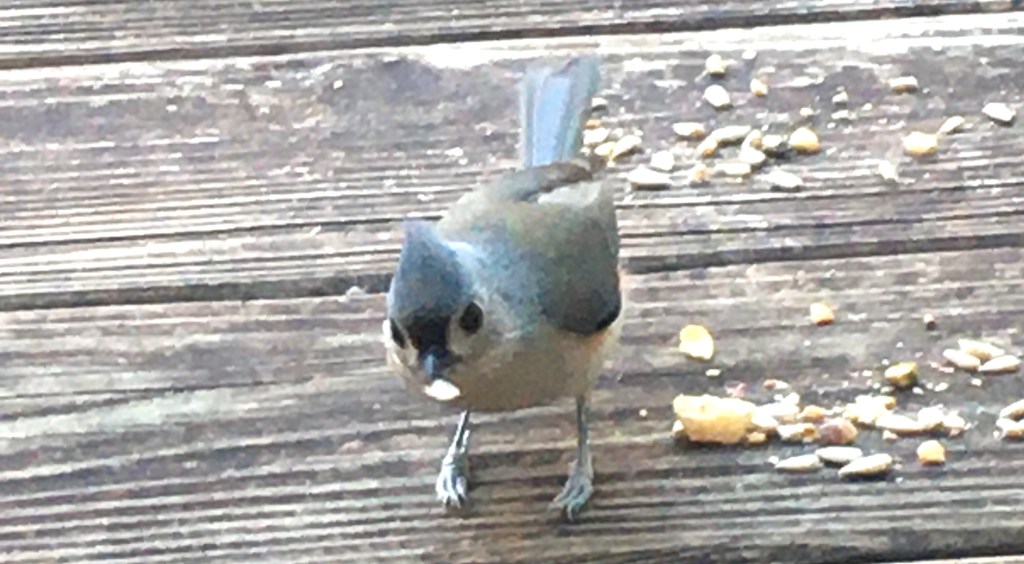
The past few weeks, I’ve noticed the process of molting in the bird world. The Cardinal shedding his head feathers. The Carolina Wren hopping around without a tail feather. And all sorts of fledglings born earlier this summer growing in their adult feathers.

Stubby. Shaggy. Raggedy.

These are not the first words that usually come to mind when thinking about songbirds. They look awkward and not quite like themselves, yet, they are exactly what they need to be in this season. They are perfectly imperfect.

Molting is a process they can’t control. It’s governed by circadian rhythms, the changing light, and the turning of seasons. Molting is a season of vulnerability for birds. Feathers are used not only for flight but for camouflage, insulation, sun protection, swimming, and making sounds. Birds take care as best they can during this time—conserving their energy to grow new feathers, eating more protein, and seeking shelter. Though arduous, molting is a regenerative natural rhythm that prepares birds for what’s to come—be it migration or colder weather.

Molt stems from the Old English mutian meaning to change.

I often think of September as an in-between season. A time of change and transition. Routines and rhythms begin to shift. Our minds, hearts, and bodies begin to adapt to seasonal changes. As my own feathers feel a bit weathered and worn, I’m reminded that letting go of what no longer resonates with my values or priorities makes space for new growth and opportunities. Midlife (or whatever life season you may be in) is an opportune time to embrace the wisdom embodied in cycles of release and renewal — as autumn will soon remind us in a myriad of ways.

In the meantime, we can take our cues from birds and nourish ourselves in body and spirit during times of transition. Making space to rest and restore, releasing what no longer serves us. Because molting, like most seasonal rhythms, can guide us and point us toward hope.

“I watch the bald Cardinals feeding their fledglings, and I know they feel awful. I remind myself of what I cannot remind them–that raggedness is just the first step toward a new season of flight.”

~ Margaret Renkl, The Comfort of Crows

for reflection

You may want to use these questions as writing prompts for journaling or perhaps just to ponder while watching birds.

~ How may I meet my own “molting” process with compassion, gentleness, and patience?

~ What wisdom may I discover in cycles of release and renewal?

ways to support molting and migrating birds

~ Offer protein-rich foods such as seeds and suet.

~ Hang roost houses as the nights become cooler.

~ Turn off unnecessary lights, especially between 10pm-6am as these can disorient birds migrating at night.

Ecospirituality, Ecotherapy, Migrations

Practicing Reverence: The Wonder of Winter Birds

As winter and Christmas draw near, the natural world becomes quieter. It is a wonderful time to to seek the sacred in its stillness and to practice reverence.

I’ve always had a heart for birds, and my heart swells with awe for winter birds. They inspire the practice of reverence in me. All season long, I never tire of watching birds that have migrated here for winter such as juncos, sparrows, and the beloved hermit thrush. Our home becomes theirs as they’ve joined the family of our year-round feathered friends. 

My heart leapt with joy the morning I saw a hermit thrush as I had been anticipating its arrival for several weeks. I was keenly aware that his journey was many miles during one autumn night, and he arrived at our home— his home.

Its arrival inspired me to write this poem:

Hermit Thrush
Elegant with tones of brown.
Shy, kind, and gentle. You came last winter and stayed for awhile. Where do you go as the days grow longer? I’ve seen your kind in the deep woods.
You remind me to pause. May you find solace here.
~ Stacey Hayes

During the peak migratory months from September through November, my heart was filled with both wonder and deep humility for migrating birds. Writing this blessing for them was a balm for my worry as I imagined them dodging skyscrapers and navigating artificial light.

Reverence is practiced by acknowledging the gravity of their migration journeys. By beholding deep admiration for their beauty, habits, and understated songs. By offering hospitality, knowing their time in this particular place will come to an end.

Reverence reaches deep in the spirit—beyond observation and mindfulness, which can be paths to reverence. It is not only a feeling but a posture of the soul. In practicing reverence, our spirit connects deeply with another living being’s. We see its fullness—its gifts, strength and humility. There is a felt sense that my spirit connects with its spirit as if an invisible yarn knits us together, even if for a moment.

Reverence is defined as “deep respect for someone or something.” (Oxford Languages) and is derived from the Latin reverentia, or awe.

Reverence is a tapestry of attention, empathy, and expression.

We offer our attention as we carefully observe the being’s habits and personality. We offer empathy as we imagine what may bring it joy or suffering. We acknowledge its story, journey, hardships and delights.

Reverence may be so poignant that we may feel led to offer it expression in some way—through gratitude, a hope, blessing, painting or poem. It may stir us to compassion and invite tending such as offering protection or shelter.

Or perhaps we simply hold this experience within our heart as we go about our day—allowing it to engender wonder and care.

Much is written in psychological literature about the benefits of finding novelty in a change of scenery or traveling. Of seeking awe in new experiences. However, I find reverence in the ordinary — in the familiar song of the Carolina Wren whose tune resounds from our deck each morning. In the comforting predictability of cottontail rabbits munching in our side yard at dusk. And while my life is enhanced and my best self revealed in these moments, reverence in its purest form is ultimately not about me and my wellness. It’s about another, the vastness, and honoring the sacred in front of me.

Practicing reverence, I assure you, will make an ordinary day extraordinary. And thankfully reverence isn’t reserved for mountaintop experiences. It dwells in the familiar. It rests in the ordinary. It is enlivened by the intimacy of knowing the creatures around you.

Welcome the wonder of birds into your life by listening for their winter carols, hanging a bird feeder, and providing a bird bath.

Or, simply step outside your front door or peek outside your window. See what calls out to you and invites your attention.

Practice reverence to warm your soul on a cold winter’s day.